You’re not imagining it. Your brain is under siege—and your metabolism is leading the charge.
Every day, you are bombarded by dopamine triggers, inflammatory foods, and a relentless “always-on” digital culture that fractures your focus. It’s not just about losing your keys or forgetting a name. It’s about the constant, low-level static that prevents you from entering deep flow. It’s metabolic noise.
But the real breakthrough in cognitive performance isn’t coming from a meditation app or another caffeine-laced pre-workout. It’s coming from the diabetes ward.
GLP-1 agonists—the class of drugs famous for shrinking waistlines—are acting like master switches for your neural architecture. They aren’t just curbing appetite; they are dampening the neural inflammation that makes you foggy, slow, and reactive. They cross the blood-brain barrier, reset reward pathways, and shield your neurons from degeneration. This isn’t just weight loss. It’s systemic cognitive renovation.
So, what do you do when the most potent nootropic on the market is currently being hoarded by Hollywood for red-carpet slim-downs?
You don’t wait for the FDA to catch up—you decode the science, optimize the dose, and learn how biohacking GLP-1 cognitive function can give you an unfair mental advantage.
The Brain-Gut Axis: It’s Not Just About Lunch
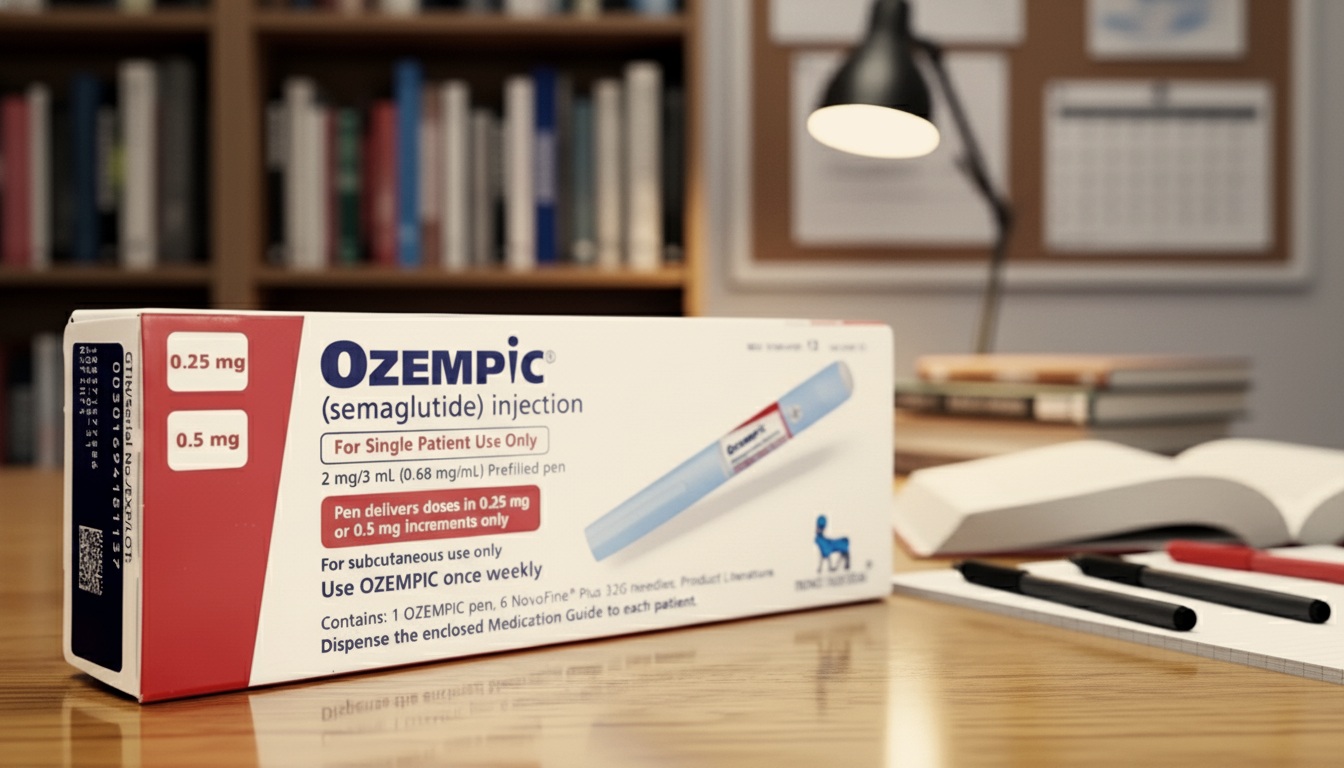
Most people think of Ozempic, Wegovy, or Mounjaro strictly as “fat loss shots.” That’s a dangerous oversimplification. It misses the forest for the trees.
The GLP-1 hormone (Glucagon-like peptide-1) doesn’t just hang out in your stomach telling you you’re full. Receptors for GLP-1 are found densely populated throughout the human brain—specifically in the hypothalamus, the hippocampus, and the cortex. These are the command centers for memory, learning, and emotional regulation.
When you activate these receptors, you aren’t just signaling satiety. You are triggering a cascade of neuroprotective effects.
GLP-1 cognitive benefits include:
- Reduced Neuroinflammation: The brain on a standard Western diet is a brain on fire. GLP-1 agonists act like a cooling blanket, significantly lowering inflammatory markers that lead to brain fog.
- Neurogenesis: Animal studies suggest these compounds can stimulate the growth of new neurons.
- Synaptic Plasticity: This is your brain’s ability to rewire itself—essential for learning new skills and emotional resilience.
The biohacking community realized early on that if you can stabilize blood sugar, you stabilize energy. But if you can stabilize insulin signaling in the brain, you unlock a level of mental clarity that feels almost unfair.
Silencing the Noise: The “Ozempic Brain” Phenomenon
There is a concept in performance circles called “food noise.” It’s that constant, nagging background process in your brain scanning for the next snack, the next sugar hit, the next dopamine spike.
It’s exhausting. It eats up RAM that you should be using for creative work or strategic thinking.
Users of GLP-1 agonists report a sudden, profound silence. The chatter stops. But here is the kicker: it’s not just food noise that disappears. It’s compulsion itself.
Reports are flooding in of people spontaneously quitting smoking, cutting back on alcohol, and stopping impulsive shopping habits. Why? because Ozempic brain health effects target the brain’s reward center (the mesolimbic dopamine system).
By dampening the dopamine spikes associated with “seeking” behaviors, these peptides free up your executive function. You aren’t fighting willpower battles ten times an hour. You are simply… focused.
This is the holy grail of productivity. It’s not about adding more stimulation (like Adderall); it’s about removing the friction of distraction.
The Biohacker’s Protocol: Microdosing for Mastery
Here is where the strategy diverges from the mainstream.
If you go to a standard doctor, they will ramp you up to the maximum tolerable dose to crush your appetite into submission. The result? Nausea, muscle loss, and the dreaded “Ozempic face.”
Biohackers are taking a different route. They are hacking the dose response curve.
The goal isn’t to starve yourself; it’s to saturate the brain receptors just enough to get the cognitive and anti-inflammatory benefits without the catabolic side effects. We are seeing protocols that involve:
- Microdosing: Using 1/4 or 1/2 of the standard therapeutic dose.
- Cycling: Using the peptide for 4-6 weeks to reset insulin sensitivity, then cycling off to maintain metabolic flexibility.
- Stacking: Combining low-dose GLP-1s with other agents to mitigate side effects (more on that below).
The bigger picture here is that most people aren’t just after weight loss—they want smart, precise strategies that improve mental performance, energy metabolism, and long-term health without sacrificing appearance or muscle mass. Biohackers and health optimizers alike are seeking protocols that deliver results safely, efficiently, and sustainably, and that level of nuance is largely missing from mainstream guidance.
The Anti-Aging Superweapon
We need to talk about longevity.
Alzheimer’s disease is increasingly being referred to as “Type 3 Diabetes.” It is characterized by insulin resistance in the brain. When your neurons can no longer efficiently utilize glucose for fuel, they starve. They die. You lose your mind.
This is where the GLP-1 anti-aging brain potential becomes revolutionary. By restoring insulin sensitivity in neurons, GLP-1 agonists keep your brain fed, sharp, and resilient. But their benefits go beyond basic fuel delivery. Research shows these compounds reduce the accumulation of amyloid plaques—the sticky proteins that clog neural circuits and drive Alzheimer’s progression.
For the biohacker interested in longevity, this is a non-negotiable frontier. We are talking about a compound that might not just slow cognitive decline, but actively reverse the metabolic conditions that create it. Early interventions in midlife, even before noticeable cognitive symptoms, could have outsized effects decades down the line.
If you are planning to live to 120 and want to remember your own name when you get there, ignoring the GLP-1 pathway is a strategic error.
The Dark Side: Anhedonia and The Flatline
It’s not all sunshine and laser focus. There is a price to pay for tampering with your reward system.
If you dampen the dopamine spike from a donut, you might also dampen the dopamine spike from a sunset, a great song, or sex.
This is called anhedonia—the inability to feel pleasure.
Some high-dose users report feeling “flat.” They aren’t depressed, but they aren’t joyful. They are robotically efficient, but emotionally gray. This is the danger zone.
How to Mitigate the “Gray World” Effect
To maintain Ozempic brain health without losing your zest for life, you need a defense strategy. You don’t just inject and pray. You stack.
- Prioritize Protein & Heavy Lifting: GLP-1s can cause rapid muscle loss. Muscle is your metabolic currency. You must lift heavy things and eat 1g of protein per pound of body weight. No exceptions.
- Support Dopamine Production: If you are dampening the receptors, ensure you have plenty of precursors. Supplementing with L-Tyrosine or Mucuna Pruriens (carefully) can help maintain baseline drive.
- Cyclical Ketosis: Instead of relying solely on the drug for glucose control, use periods of ketogenic dieting to fuel the brain with ketones, which bypass the insulin-resistance pathway entirely.
The Future of Neuro-Metabolic Enhancement
We are witnessing the merger of the weight loss industry and the smart drug industry.
The “smart pill” of the future won’t be a stimulant that jitters your adrenal glands. It will be a metabolic modulator that optimizes how your brain processes fuel and perceives reward.
Biohacking GLP-1 cognitive function is in its infancy. We are the test pilots. The data is messy, the anecdotes are wild, and the potential is staggering.
But the premise holds: a healthy metabolism is a prerequisite for a high-performing brain. You cannot think clearly if your brain is inflamed and insulin resistant.
Are You Ready to Hack the Hack?
The narrative around GLP-1s is changing. It’s shifting from vanity to vitality.
You have a choice. You can dismiss this as a fad for people who don’t want to diet. Or, you can look at the biochemistry and realize that we have stumbled upon a lever that controls the very energy dynamics of consciousness.
This isn’t about taking the easy way out. It’s about recognizing that the modern environment is rigged against your biology. The plastics, the processed sugars, the constant stress—they are all hacking you.
GLP-1 agonists might just be the firewall you need to install to take back control.
Ready to optimize your cognitive stack? Don’t just read about it. Dive deeper into our protocol library and start building a brain that’s future-proof.